Bodrum’s Underwater Heritage Makes It One of the Most Visited Cultural Destinations in Türkiye
One of the Most Visited Cultural Destinations in Türkiye
Bodrum has long been associated with turquoise waters, luxury yachts, and summer holidays. However, in recent years, the city has achieved something far more significant: it has become one of Türkiye’s strongest cultural tourism hubs. At the center of this transformation stands the Bodrum Underwater Archaeology Museum, a landmark that continues to attract record-breaking visitor numbers and global recognition.

In 2026, Bodrum is no longer defined solely by beaches and nightlife. Instead, it stands as a destination where history, archaeology, and the sea intersect, offering travelers a deeply enriching experience that goes far beyond conventional tourism.
A Museum That Redefined Cultural Tourism in Bodrum
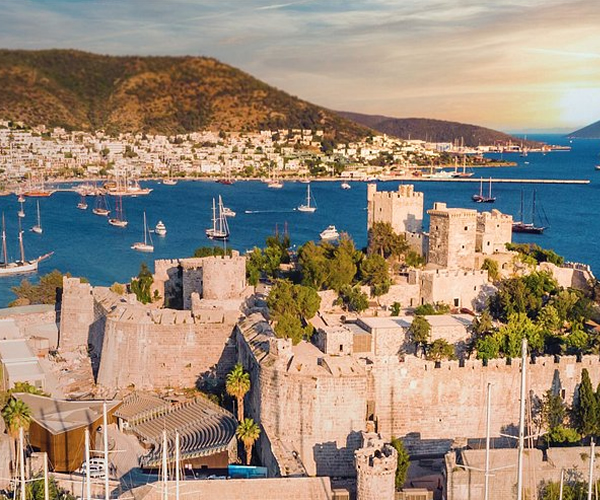
The Bodrum Underwater Archaeology Museum is not simply another museum—it is a global reference point for maritime archaeology. Situated within the historic Bodrum Castle, the museum houses one of the world’s most comprehensive collections of underwater discoveries, including ancient shipwrecks, amphorae, anchors, and seafaring artifacts spanning thousands of years.
What makes this museum exceptional is its ability to tell the story of human civilization through the sea. Every exhibition reveals how ancient societies traded, migrated, and connected long before modern borders existed. This narrative resonates strongly with today’s travelers, who increasingly seek authentic and educational travel experiences.
Nearly One Million Visitors: What Drives This Unmatched Interest?
Recent tourism data shows that the museum welcomed close to one million visitors in a single year, placing it at the top of Muğla’s cultural attractions. This success is not accidental.
Several factors contribute to this achievement:
- A unique focus on underwater archaeology
- A location inside one of the Aegean’s most iconic castles
- Continuous restoration and modern exhibition techniques
- Strong international interest in ancient maritime history
Unlike traditional museums, visitors do not merely observe artifacts behind glass. Instead, they move through castle towers, open courtyards, and stone corridors where history feels alive and tangible.

Bodrum Castle: A Living Monument, Not Just a Backdrop
One of the museum’s greatest strengths is its setting. Bodrum Castle itself is a destination worth visiting, even without the museum inside it. Built in the 15th century by the Knights of St. John, the castle has witnessed centuries of conquest, trade, and transformation.
Today, it serves as both a historical monument and a functional museum complex. As visitors explore the exhibitions, they also experience breathtaking views of the Aegean Sea, Bodrum Marina, and the surrounding coastline. This combination of visual beauty and intellectual depth significantly enhances visitor satisfaction and dwell time—an important factor in cultural tourism success.
Muğla Region: One of the Richest Archaeological Zones in the Aegean
The popularity of the Bodrum Underwater Archaeology Museum cannot be separated from the wider historical richness of Muğla province. The region contains dozens of ancient cities, sanctuaries, and archaeological sites, many of which are listed on the UNESCO World Heritage Tentative List.
Key destinations contributing to the region’s appeal include:
- Ancient port cities that once dominated Aegean trade routes
- Rock-cut tombs carved into cliffs by early civilizations
- Sacred sanctuaries, temples, and agoras preserved across centuries
- Abandoned villages reflecting more recent historical transitions
Together, these sites position Muğla as an open-air museum, with Bodrum serving as its most accessible cultural gateway.
From the Carians to the Ottomans: A Continuous Historical Narrative
One of the most compelling aspects of Bodrum’s cultural identity is its uninterrupted historical timeline. The region has hosted:
- Carian and Lycian civilizations
- Hellenistic city-states
- Roman and Byzantine rule
- Turkish beyliks and the Ottoman Empire
Artifacts displayed in the Bodrum Underwater Archaeology Museum reflect this continuity. Shipwrecks reveal how goods such as wine, olive oil, glass, metals, and ceramics moved across seas, shaping economies and cultures over millennia.
For modern visitors, this creates a powerful realization: the Aegean Sea has always been a connector, not a divider.

Cultural Tourism Trends in 2026: Why Bodrum Fits Perfectly
Global tourism trends show a clear shift toward slow travel, culture-focused itineraries, and sustainable tourism models. Travelers now value destinations that offer learning, authenticity, and emotional connection.
Bodrum meets these expectations exceptionally well by offering:
- World-class museums
- Walkable historical zones
- Easily accessible archaeological sites
- Mild weather suitable for year-round exploration
The Bodrum Underwater Archaeology Museum plays a pivotal role in this transformation, allowing the city to attract visitors outside the peak summer season and encouraging longer stays.
Practical Guide for Visiting the Museum
For travelers planning a cultural trip to Bodrum, the museum is a must-visit attraction. To maximize the experience:
- Allocate at least 2–3 hours for a full visit
- Visit early morning or late afternoon to avoid peak crowds
- Wear comfortable shoes due to stone pathways and stairs
- Combine the visit with Bodrum Old Town and Marina walks
Guided tours are highly recommended for visitors interested in deeper historical context and archaeological interpretation.
Cultural Heritage as an Economic and Social Asset
The success of the Bodrum Underwater Archaeology Museum demonstrates how heritage preservation can directly support local economies. Cultural tourism encourages:
- Off-season travel
- Higher-value visitors
- Longer average stays
- Greater respect for local identity
Rather than mass tourism focused solely on consumption, Bodrum’s cultural strategy promotes education, conservation, and sustainable growth—benefiting both residents and visitors.
Why This Museum Matters Beyond Tourism
Beyond visitor numbers, the museum plays a critical role in protecting underwater heritage. Illegal excavations, looting, and environmental damage threaten submerged archaeological sites worldwide. By showcasing recovered artifacts responsibly, the museum raises awareness about the importance of marine heritage preservation.
It also positions Türkiye as a global leader in underwater archaeology, attracting researchers, academics, and students from around the world.
Final Perspective: Bodrum’s Cultural Identity in the Modern Age
In 2026, Bodrum stands as a rare example of a destination that successfully balances leisure tourism with intellectual depth. The Bodrum Underwater Archaeology Museum is not just the most visited museum in Muğla—it is the symbol of a broader transformation.
For travelers seeking more than sun and sand, Bodrum offers a journey through time, where ancient shipwrecks, medieval castles, and modern life coexist seamlessly. This is why Bodrum continues to rise—not only as a holiday resort, but as one of the Aegean’s most meaningful cultural destinations.