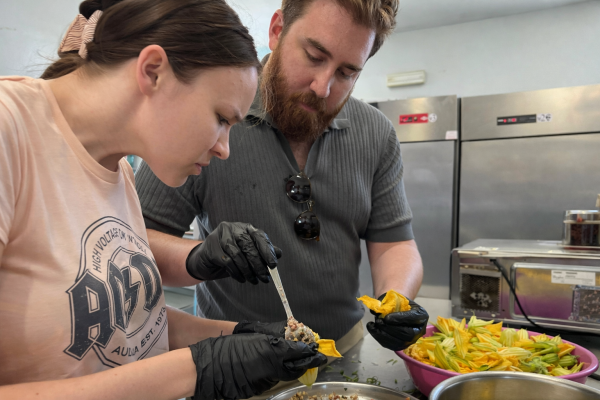
Kos Cooking Classes: The Ultimate Greek Gastronomy Experience on the Island of Hippocrates
Discover Authentic Greek Cuisine Through a Hands-On Culinary Adventure in Kos, Greece
When travelers seek more than sun-soaked beaches and ancient ruins, they find themselves drawn to experiences that connect them deeply with local culture. Kos Cooking Classes offers exactly that—a transformative journey into the heart of Greek gastronomy that begins with hotel pickup and ends with unforgettable memories, new culinary skills, and a genuine taste of Mediterranean life.
Why Kos Cooking Classes Stands Out Among Greek Gastronomy Tours
Nestled along the 15th kilometer of the Kos Airport Main Road in Marmari, this family-run culinary experience has earned a remarkable 100 percent traveler recommendation rate. What sets this Greek cooking class apart from typical tourist activities is its comprehensive approach to gastronomy tourism. Rather than simply demonstrating recipes, Mama Kontessa and her son Stelios invite guests into their world—a world where food production, family tradition, and authentic Greek hospitality intersect beautifully.
The experience operates Monday, Tuesday, Thursday, and Friday from 11 AM to 3 PM, accommodating small groups of up to twelve participants. This intimate setting ensures personalized attention and meaningful interactions with the hosts, creating an atmosphere that feels more like visiting Greek relatives than attending a commercial tour.
Hotel Pickup and Transportation Services
Understanding that convenience matters to travelers exploring Kos, the cooking class offers professional transfer services for an additional fee. This hotel pickup option eliminates the stress of navigation, allowing guests to relax and anticipate the culinary adventure ahead. The journey from various Kos hotels to the family farm takes guests through the island’s picturesque countryside, offering glimpses of the landscape that produces the ingredients they will soon cook with.
For those preferring independent travel, the meeting point at Taverna Perasma provides easy access via public transportation. The location near the Kos airport main road makes it accessible from Kos Town, Tigaki, Marmari, and other popular resort areas.
The Welcome: Greek Finger Foods and Traditional Coffee
Every memorable experience begins with a warm welcome, and Kos Cooking Classes understands this deeply. Upon arrival, guests are greeted with an array of Greek finger foods—small bites that showcase the simplicity and elegance of Mediterranean cuisine. These appetizers might include olives cured on the property, fresh vegetables drizzled with the family’s own olive oil, and traditional spreads that awaken the palate.
Accompanying these treats is strong, aromatic Greek coffee prepared in the traditional manner. This initial gathering serves multiple purposes: it introduces guests to Greek hospitality customs, provides energy for the activities ahead, and creates space for participants to mingle and connect with fellow food enthusiasts. Many visitors note that this welcoming ritual immediately distinguishes the experience from more impersonal tourist activities.
Exploring the Family Estate: Olive Groves and Agricultural Heritage
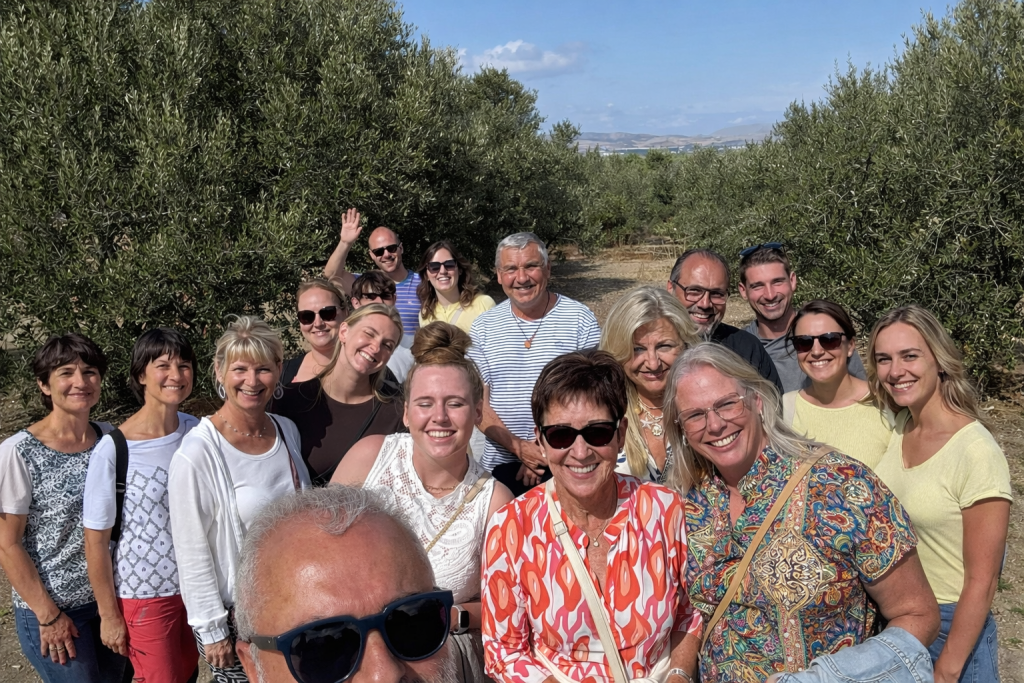
Before cooking begins, guests embark on a walking tour of the family’s agricultural estate—a journey that transforms understanding of where Greek food comes from. The property features approximately seven thousand olive trees, each one part of a century-old farming tradition passed down through generations. Stelios, representing the third generation of farmers in his family, guides visitors through the groves with evident pride and deep knowledge.
Walking among ancient olive trees under the Aegean sun, guests learn about cultivation techniques that have remained largely unchanged for hundreds of years. They discover how Kos’s climate—mild winters, warm summers, and mineral-rich soil—produces olives with distinctive characteristics. The trees themselves tell stories of resilience and continuity, some having witnessed multiple generations of the same family tending their branches.
Beyond olives, the estate produces various ingredients used in the cooking demonstrations. Vegetable gardens supply seasonal produce, while herb patches offer oregano, thyme, and other aromatics essential to Greek cuisine. This farm-to-table approach means every dish prepared during the class connects directly to the land surrounding participants.
The Olive Oil Factory Tour and Production Process
Greek extra virgin olive oil is renowned worldwide as liquid gold, and understanding its production adds profound appreciation for this essential ingredient. The tour includes a visit to the family’s processing facility, where guests observe the equipment and methods used to transform harvested olives into premium oil.
During harvest season in autumn, the entire family gathers to hand-pick olives—a tradition that reinforces cultural values of togetherness and hard work. Guests learn about the different stages of production, from initial pressing to filtration and storage. The specially designed storage space maintains optimal conditions for preserving the oil’s quality, flavor, and nutritional properties.
The Olive Oil Tasting Experience
Perhaps no other activity during the tour surprises and delights guests more than the formal olive oil tasting. Most people approach olive oil as merely a cooking ingredient, unaware that proper appreciation involves multiple senses and specific techniques developed by professional tasters.
Using official blue tasting glasses designed to prevent color from influencing perception, participants learn to evaluate olive oil through both smell and taste. The glasses are gently warmed in the palm to release aromatic compounds, then brought to the nose for initial assessment. Guests discover how to identify characteristics like grassiness, fruitiness, pepperiness, and bitterness—each revealing something about the olives’ variety, harvest timing, and processing methods.
The tasting includes multiple olive oil varieties, allowing comparison between different harvests and processing approaches. Some oils present smooth, buttery profiles perfect for finishing dishes, while others offer robust, peppery notes ideal for salads and grilled vegetables. This educational component transforms how participants perceive and use olive oil long after returning home.
Hands-On Greek Cooking Demonstration
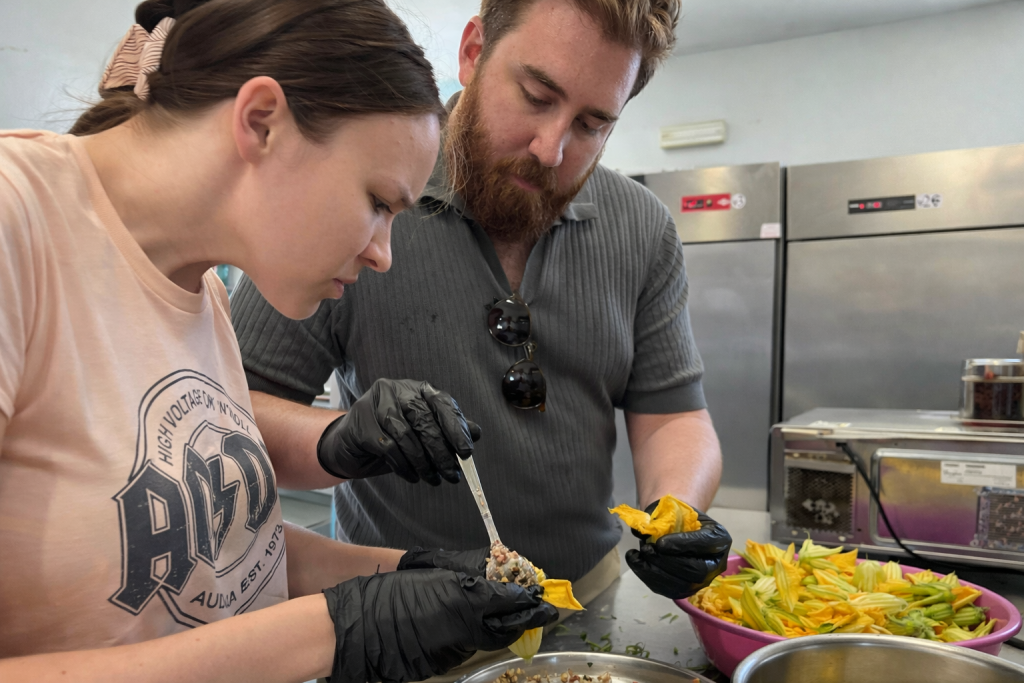
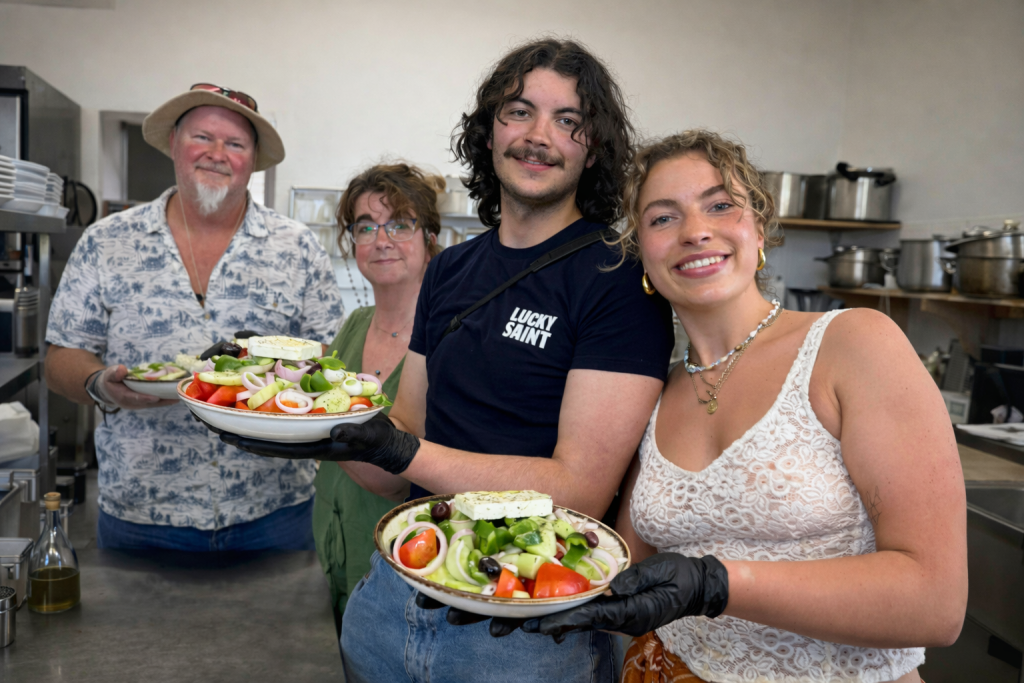
The heart of the experience centers on the cooking workshop, where Mama Kontessa shares recipes and techniques perfected over decades. Participants prepare four traditional Greek recipes plus a dessert, learning fundamental skills applicable to countless Mediterranean dishes.
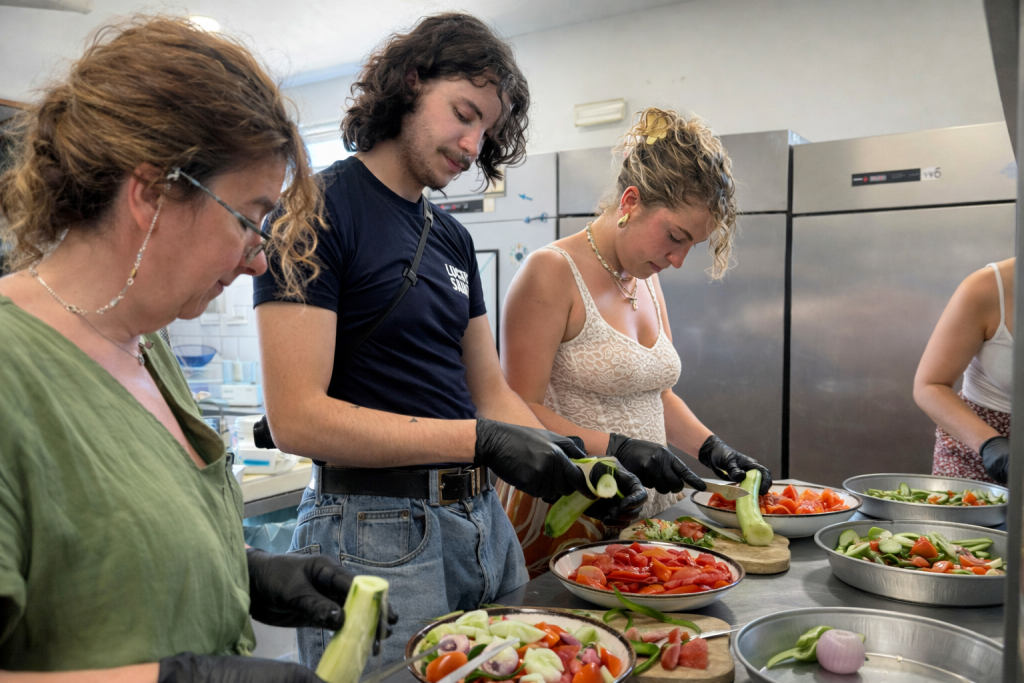
While specific recipes vary by season and available ingredients, the class typically covers beloved Greek classics that have delighted generations. These might include dishes like moussaka, the iconic layered casserole featuring eggplant, spiced ground meat, and creamy bechamel sauce that has become synonymous with Greek cuisine worldwide. Tzatziki, the refreshing yogurt-cucumber dip that perfectly complements grilled meats and fresh bread, often appears as participants learn to balance garlic, lemon, and herbs.
Other preparations might include gemista (stuffed vegetables), dolmades (grape leaves filled with seasoned rice and herbs), or traditional Greek salad prepared with vine-ripened tomatoes and crumbly feta cheese. The dessert component typically features treats like loukoumades—golden fried dough balls drizzled with honey and sprinkled with cinnamon—or other traditional sweets that demonstrate how Greek cuisine balances savory and sweet elements.
Unlike passive cooking demonstrations, Mama Kontessa encourages participation. Guests don aprons and join in chopping, mixing, and cooking under her watchful guidance. Her son assists with clear English explanations, ensuring language never becomes a barrier to learning. This hands-on approach means participants leave with practical skills rather than merely theoretical knowledge.
The Philosophy Behind Traditional Greek Recipes
Throughout the cooking session, hosts share stories and cultural context that elevate simple recipe instruction to meaningful cultural exchange. Greek cuisine reflects thousands of years of history, incorporating influences from ancient civilizations, Byzantine traditions, and Ottoman occupation while maintaining distinctive character.
The Mediterranean diet, recognized by UNESCO as an intangible cultural heritage of humanity, finds its purest expression in dishes like those prepared during the class. Emphasis on olive oil, fresh vegetables, legumes, and herbs creates naturally healthy meals without sacrificing flavor. Participants discover how seasonality governs traditional Greek cooking, with different preparations appearing throughout the year based on what the land provides.
Family recipes represent more than instructions—they carry memories, traditions, and identity. When Mama Kontessa demonstrates her moussaka technique, she shares how her mother taught her, who learned from her grandmother before that. These intergenerational connections remind participants that food serves as a vessel for cultural transmission.
The Communal Meal: Enjoying Your Creations
After the cooking session concludes, participants gather around tables set in the family’s taverna to enjoy the fruits of their labor. This communal meal captures the essence of Greek dining culture, where food brings people together and conversation flows as freely as the wine.
The dishes prepared during class form a complete meal, each complementing the others in flavor and texture. Hosts join guests at the table, continuing conversations begun during cooking and sharing additional insights about Greek life, customs, and traditions. Local wine or other beverages accompany the meal, enhancing flavors and creating a festive atmosphere.
This dining experience differs fundamentally from eating at restaurants. Having participated in every dish’s creation, guests appreciate nuances they might otherwise overlook. They taste the specific olive oil they watched being produced, recognize herbs they picked from the garden, and understand the techniques that created each texture and flavor.
Take-Home Gifts: Recipe Booklet and Premium Olive Oil
As participants depart, they receive meaningful souvenirs that extend the experience beyond their Kos vacation. A comprehensive recipe booklet contains detailed instructions for recreating every dish prepared during the class. These recipes enable participants to share their new skills with family and friends at home, spreading Greek culinary traditions far beyond the island.
Additionally, each guest receives a bottle of the family’s premium olive oil—the same product they tasted and cooked with during the day. This gift transforms home kitchens into extensions of the Kos experience, allowing participants to incorporate authentic Greek flavors into everyday cooking.
Why This Experience Resonates with Travelers
Reviews consistently highlight several elements that distinguish Kos Cooking Classes from other activities. The personal, family-run nature creates warmth absent from commercial operations. The comprehensive approach—combining agricultural education, olive oil expertise, and cooking instruction—provides extraordinary value. Most importantly, participants leave feeling they have genuinely connected with Greek culture rather than merely observed it from tourist distance.
The experience suits various traveler types: food enthusiasts seeking culinary education, couples desiring romantic cultural activities, families wanting engaging alternatives to beach days, and solo travelers hoping to meet like-minded visitors. The small group format ensures everyone receives attention regardless of cooking experience level.
Booking Information and Practical Details
Sessions are priced at 89 euros per person, representing excellent value given the comprehensive nature of the experience. Booking in advance is strongly recommended, as limited group sizes mean popular dates fill quickly. Free cancellation up to 24 hours before the scheduled departure time provides flexibility for travelers with uncertain schedules.
The activity accommodates various dietary requirements with advance notice. While Greek cuisine emphasizes vegetables and legumes, making it naturally vegetarian-friendly, specific accommodations can be arranged for those with restrictions.
Your Gateway to Greek Culinary Culture
For travelers seeking experiences that transcend typical tourism, Kos Cooking Classes delivers something precious: genuine connection with a place, its people, and their traditions. From the moment of hotel pickup through the final bite of homemade dessert, every element reflects authentic Greek hospitality and culinary heritage.
The skills and memories gained during these few hours extend far beyond the vacation itself. Long after returning home, participants find themselves reaching for that bottle of Greek olive oil, flipping through their recipe booklet, and recreating dishes that transport them instantly back to a sun-drenched kitchen on a beautiful Greek island.
Whether visiting Kos for history, beaches, or relaxation, this gastronomy experience adds dimension and depth that elevates an ordinary holiday into something truly memorable. It represents not just a cooking class, but an invitation into a family’s home, a culture’s kitchen, and a tradition stretching back generations.
Book your session at Kos Cooking Classes and discover why this experience has earned its reputation as the premier culinary activity on the Island of Hippocrates.
Contact Information
Email: activitieskos@gmail.com
Phone: +30 6955155828
Location: 15th Km Kos Airport Main Road, Marmari, Kos
Website: koscookingclasses.com